Pragmatism – Making Fast Impacts with Evidence
Shortcutting to make significant positive User Experience changes based on research of user behaviours conducted by speciality organisations.
I made the case for and won approval for the purchase of several Baymard Institute reports. They are an industry organisation to conducts first-hand research on existing sites of well-known E-commerce brands with appropriate users and catalogues the numerous user experience issues they find. They then publish the reports enabling organisations to purchase them and identify any areas where they are making similar mistakes and give recommendations for UX improvements. These enabled me to get many significant positive changes incorporated into the designs for the key pages – from Homepage, Category, Product and later the Checkout implemented quickly.
Jump start on Improvements to key pages by purchasing existing user research reports
This incorporated best practice in the online furniture and product companies but also lessons that could be drawn from analysis of user behaviours and identified issues in other relevant sectors.

Delivery of key page elements
I delivered the new site architecture and navigation, along with the key page (Category and Product Detail) designs. The internal visual and branding team could then add the appropriate visual layer to the pages.
Category Presentation Layers
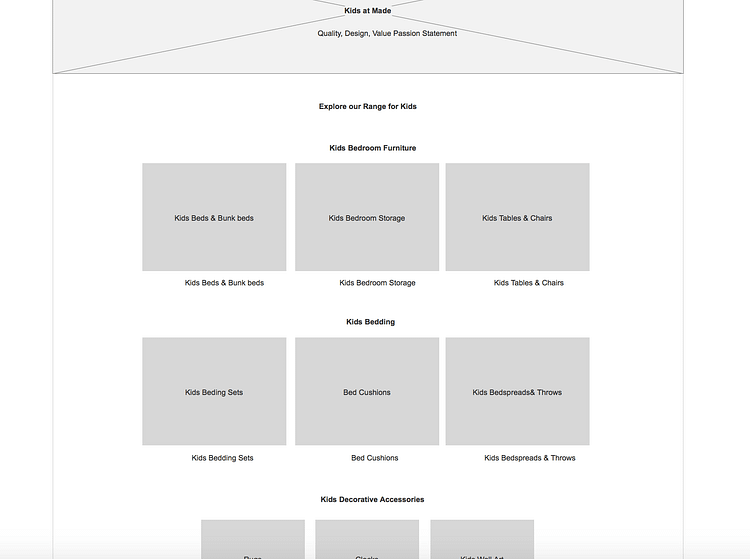
The newly introduced category pages gave a real opportunity to display Made’s great product ranges and take advantage of the significant budgets dedicated to the professional photoshoots that the company invested in.
User Testing and Research
I then conducted Made’s first formalised and targeted user research and testing sessions. This included a final round of testing of the site architecture and navigation and analysis of the terminology used by customers for specific products and narrow product categories.
The user testing incorporated two levels of competitive testing of the new proposed navigation design vs the older style navigation (both set against the new architecture) and against the existing site architecture and navigation design. The results conclusively favoured both the new design of navigation and IA. This was not surprising given both the problems that had built up over time and the extensive (5 stages of user tests that preceded the final structure).
I had created high fidelity prototype screens and journeys in Axure(simulating the path to purchase of key products). This gave the participants the belief that they were engaging with a near-completed site. I stressed, the nature of it being a prototype to encourage valuable feedback during the think-aloud elements of the tests.
Offsite observation by Made stakeholders
User testing was conducted offsite in a room where members of Made teams throughout the business could witness it directly through screen share and they could also hear all the comments made. Over a number of days, I conducted a dozen user research and testing sessions of an hour each.
The observers had never had access before to hear directly from customers about the online experience. Only at the end of the session did some user test participants find out that the testing was conducted for Made (to eliminate any potential pre-existing bias they may have had).
Ensuring the correct users were tested and results were trusted
I had worked with external research recruiters (who I had worked with previously) to develop a detailed recruitment script and participant validation checklist to ensure the participants were as close to typical Made customers as possible. The many Made.com observers were incredulous as to how I had managed to find such spot-on participants as some had assumed I had pulled them off the street. I explained that I had followed a carefully designed process to find the participants. This led to even greater belief and faith in the value of the intelligence gathered and the extensive use of the insights by different parts of the business. The intelligence became strategic assets for the business going forward.
The testing was a significant milestone and was very successful in gaining further trust and buy-in from stakeholders within the organisation. Those witnessing the users became advocates within the business for User Experience in general and further research and testing specifically. After this, budgets for testing became easier to acquire.

Winning the argument for incorporating user research and testing as part of the company’s design and development process
Due to the demonstrable success of the main user research and testing sessions. I was able to help Made mature its design process by making research and testing a significant and consistent element of the design and development process going forward. This ensured that expensive mistakes were avoided in the development of a number of initiatives and products that were to be launched.
Innovative Services – User testing and research conducted for Made.com
Augmented Reality App
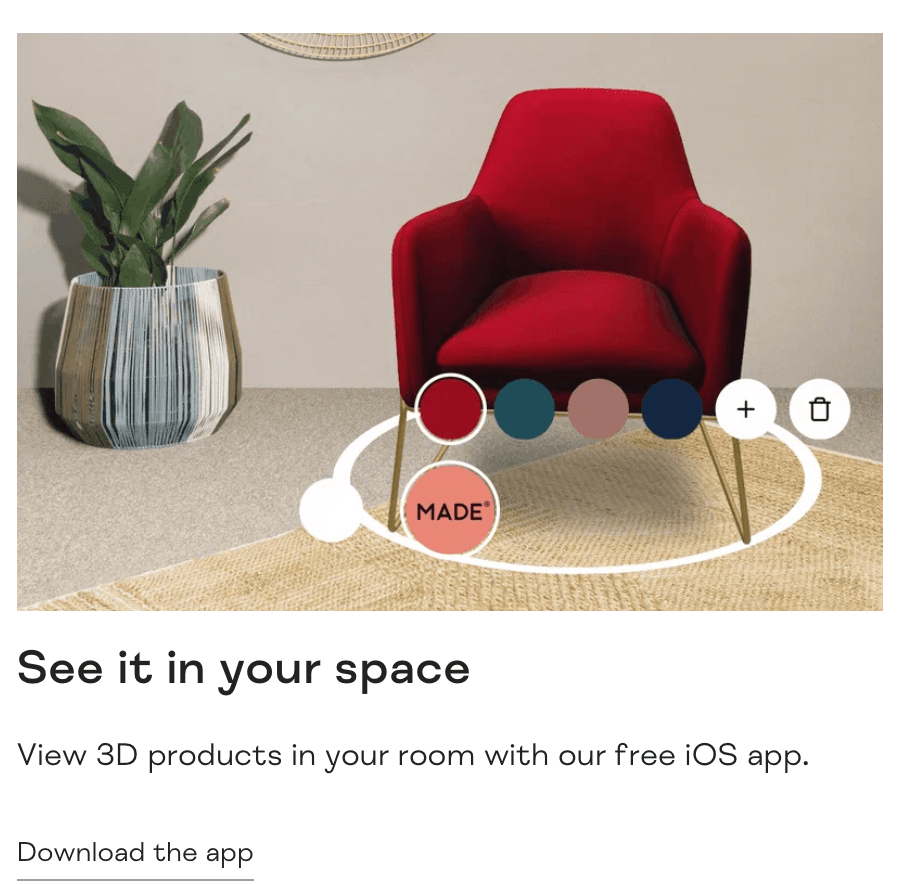
Testing of an Augmented Reality App for Made furniture to be projected within a living space set within the show flat of new upscale high-rise developments and the Made showroom.
Design Service
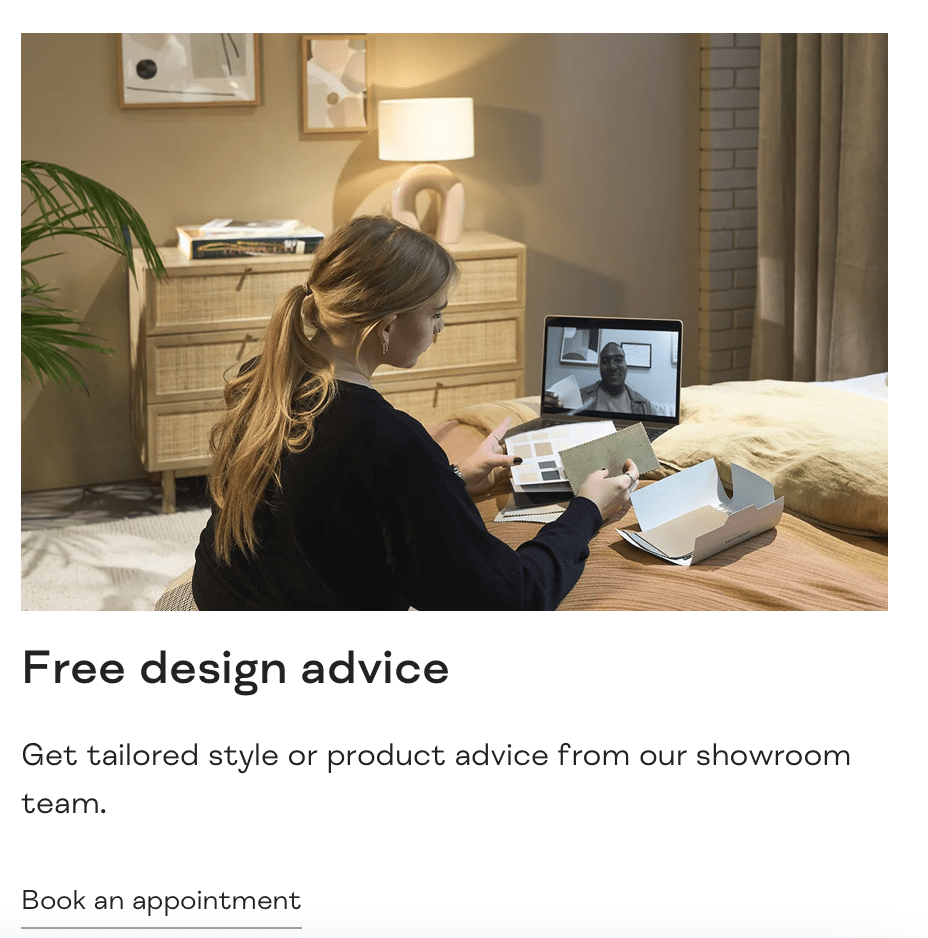
2 stage concept and validation testing for a bespoke design service Made were considering offering. Including researching how the in-person service element of the offering could be structured.
Other User Research and Testing conducted for Made.com
Perception testing
Made.com against key competitors (quality, cost/ value, design etc)
Determining how Made was perceived against key competitors
Several key stakeholders were keen to understand how Made was perceived across a number of factors (Design, Quality and Value) against some key rivals. I devised and conducted a simple but effective approach to gather these insights and added it as an additional exercise as part of a wider user testing session.

Support Site for Design Competition
Testing of the communication and supporting site of a new ongoing design competition for students and potential designers to have their design created and sold on Made site (Talent Lab).